I design it, build it, and run the business.

Web Experience and AI Manager at Victra. I build AI agents and automations that take the slow parts out of the work, and I use them to run two businesses of my own: Shoptimal and Sayforth. Raleigh, North Carolina.

Businesses I built

Founded, designed, built and operated by me

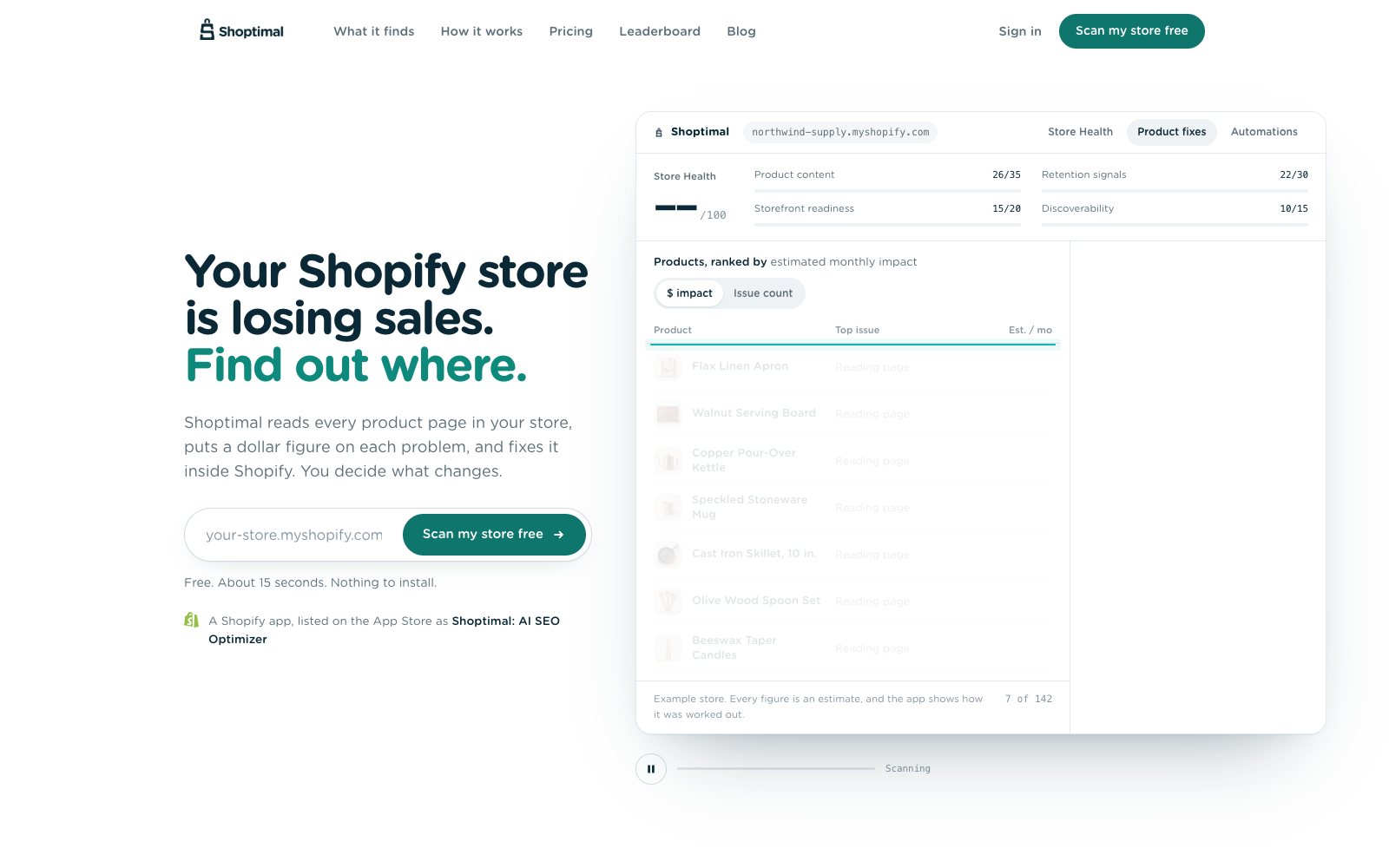
Shoptimal scanning a store: a health score fills in, products re-rank by estimated monthly impact, a new meta description is typed in, and the cursor moves to Approve.
Live demo from shoptimal.io

Shoptimal

A Shopify app that scans a store, ranks what is wrong by estimated dollar impact, and applies the fixes in one click. It also runs cart recovery and review request emails.

I decide what it is and how it behaves. Claude writes the code, and I review every change before it ships. Agents I built run the content pipeline and the daily operations.

  • RoleSolo founder, since December 2025
  • ScopeProduct, app, marketing site, analytics, email and the content pipeline
  • StatusLive on the Shopify App Store
  • Linkshoptimal.io
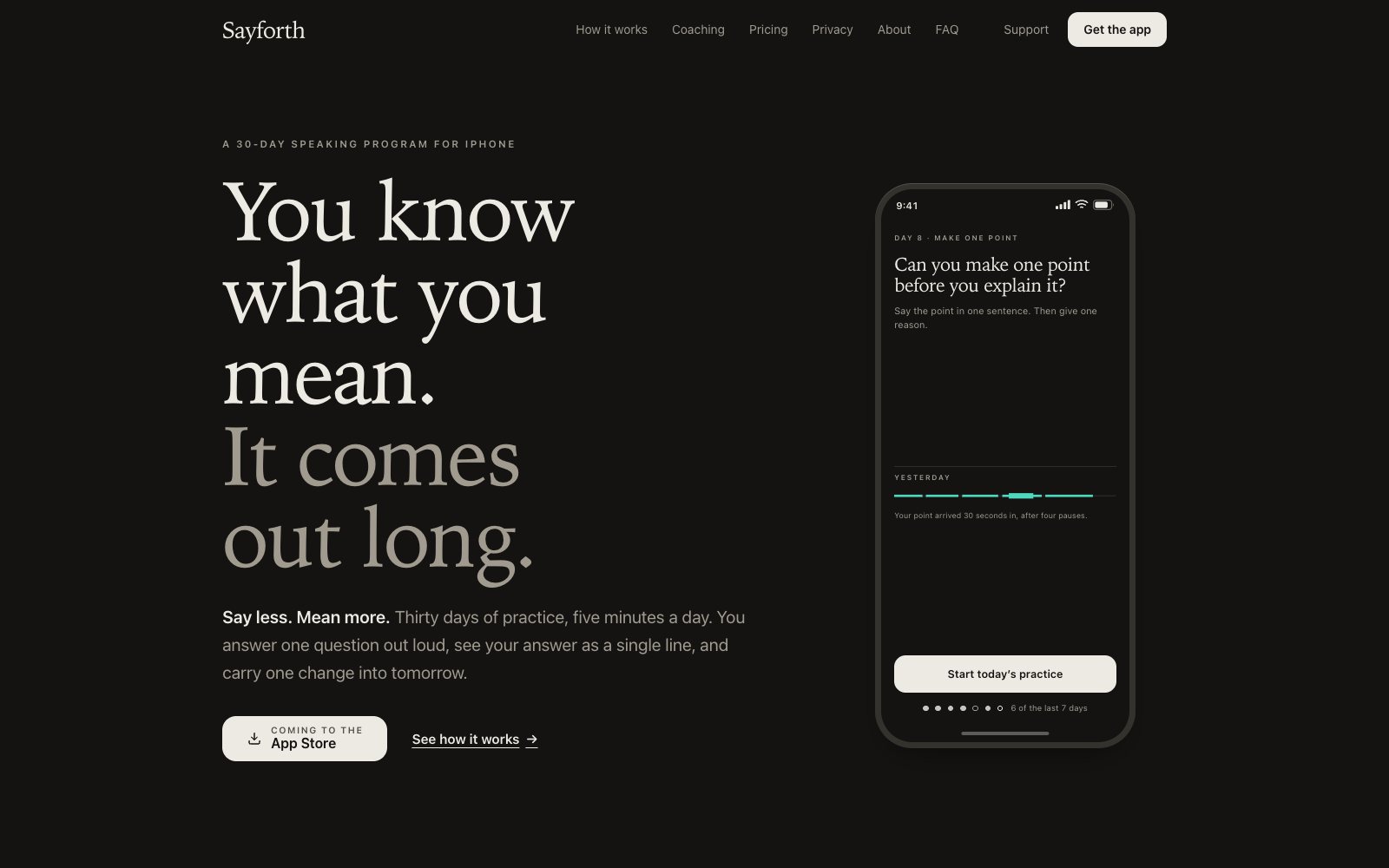
Sayforth measuring a spoken answer: a line draws across the phone as the recording plays, the pauses show as gaps in it, and a short piece of feedback arrives underneath.
Live demo from sayforth.app

Sayforth

Thirty days to say it clearly. You record a short answer each day, see it measured, and get written coaching from an AI model, inside rules I wrote for how it may word things.

The design, the copy and every product decision are mine, and Claude writes the code to my brief. The motion rules I wrote for it.

  • RoleSolo founder
  • ScopeBrand, website, and the design and direction of the app
  • StatusWebsite live. The app is in development
  • Linksayforth.app

How I build and run agents

What I do at each step

I did not get here by switching a tool on. I spent years as a designer learning what good looks like, then years in-house learning to prove it with data. Building agents is that same judgement, written down clearly enough that software can follow it.

1. I start with the people
Before an agent exists I work out who the product is for and what they are stuck on. Research agents gather the market, the competitors and the language real customers use. I read it, argue with it, and decide who the end user is.
2. One lane per agent
I break the work into narrow jobs and build a subagent for each one: market research, finding the right end users, drafting, fact checking, reviewing. An agent with one job does it well. An agent with ten does none of them well.
3. I write the rules each one works to
Every agent gets a written brief from me: what good looks like, which sources to trust, what it may never do, and when to stop and ask. The design systems, voice guides and motion rules on this site are the same habit.
4. I test it, break it and rewrite it
I run the agent, read everything it produces, find where it goes wrong and rewrite the brief. Then I run it again. This is where most of my hours go, and it is why the output sounds like me.
5. I review what ships
Agents plan my day, research and draft content, and write the code for Shoptimal, Sayforth and this site. Nothing publishes, ships or changes until I have read it, tested it and said yes.

The agents do the volume. I curate the direction. The menu-bar app further down this page is one of them, live.

What I'm working on

Two products for customers, one tool for me

Shoptimal

Live on the Shopify App Store

Paste a store's URL and Shoptimal reads the public storefront the way Google does, scores it out of 100, and lines up every problem behind the one estimated to be costing the most sales.

The blog and social posts behind it come from agents I built and directed: they research topics, draft the posts and queue them, and I read every one before it ships.

  • Store Health score. One score out of 100, split across product content, retention signals, storefront readiness and discoverability, on a published, public method.
  • Revenue-ranked fixes. Every issue carries an estimated monthly dollar cost, with the working shown, so the most expensive problem sorts to the top.
  • One-click fixes to Shopify. Approve a rewritten description, title, meta description or alt text and it writes straight back to the store.
  • Autopilot. On the Growth plan it can approve batches of fixes on its own overnight and catch new products as they are added.
  • Cart recovery and lifecycle email. Abandoned cart, review request and post-purchase emails go out at the right moment, branded as the store.
  • Technical SEO checks. Structured data, broken links, duplicate content and image alt text, the kind of fixes a store would otherwise need a developer for.
  • Fix ledger and score tracking. Every change is logged, and connecting Google Search Console shows what moved after each fix went live.

Working on now

  • Growing the number of stores using it
  • Directing the agents that research, draft and publish its content pipeline

More on Shoptimal on the Work page

Sayforth

Website live. The app is in development

Sayforth is a thirty-day program: answer one question out loud each day and it draws your answer as a single line, then reads it back in about five seconds as one thing to change tomorrow.

An AI model writes the coaching note itself, but only inside the wording rules I set: what it can observe, and what it may never say.

  • The speaking line. Every take is drawn as one line: solid where you spoke, a gap for each pause, a heavier stretch where the main point landed, and a small tick under any hedge word.
  • Live while you speak. The line draws itself in real time and stops the moment you go quiet, with two faint marks at 45 and 75 seconds and no big clock.
  • Coaching in four parts. What happened, your focus, tomorrow's one instruction, and an optional 30-second drill.
  • Four chapters over thirty days. Finding a steady pace, making one point, speaking under pressure, then putting it together, each with its own evidence days.
  • The Season page. A page that fills with one row per day rather than a calendar of empty cells. A small hollow mark shows a day you repaired by practicing the next one.
  • Day 30 comparison. You answer the Day 1 question again, then hear both takes, read both transcripts and see pace, long pauses and hedges measured side by side.
  • Recordings stay on the phone. The audio never leaves the iPhone. Only the text of what you said is sent for coaching.

Working on now

  • Designing and directing the build of the app
  • Writing the rules for how a coaching note may be worded
  • Writing the motion rules for how it behaves

More on Sayforth on the Work page

A personal tool, running on my Mac

Everything below is for me alone: a menu-bar app that plans my morning and keeps my day moving, not something Shoptimal or Sayforth customers ever see.

The glass

Three tasks, picked each morning. I tick them off, or they tick themselves when the work shows up in the numbers. The glass fills as they are done and moves from red to green as it fills, so one look tells me how much of today is left. A broken site turns the whole thing red until it is fixed.

Sample tasks. Tick one and watch the glass.
The glass itself, running the app's own numbers. It rests bottom right on my screen and I drag it wherever I want it. Drag this one too.

Voice

I hold the Fn key and talk into whatever app is in front. The words land in one piece where the cursor already was, so I skip the typing. A quick tap of Fn keeps its normal meaning, and Fn held with another key never starts it.

Press and hold it. On a keyboard, hold Space or Enter.

The listening pill the app puts at the bottom of the screen, at its own size: one state dot and nine bars, no text, because it is not somewhere to type. The window under it stands for whatever app is in front. Sample sentence, and no microphone is used here.

Chief of Staff

Each morning a planner reads the state of the business and picks three tasks, about seventy five minutes of work. I tick them off as I go, and some tick themselves when the work shows up in the numbers. Clicking the glass brings the day up out of the bottom edge of the screen, in the same bar I ask from.

A quick question is answered from the current numbers in a few seconds. Real work goes to a team of specialist agents that read, search, write and edit. Anything that would change something stops and asks me first, and nothing can deploy, push, send or touch the database from the bar. The agents do the work. I decide.

Today

Orders this quarter on pace

412 of 600

needs 18 a week, got 21 last week

Needs attention

The abandoned cart email has not gone out for two days

Updated just now
The bar at the app's own sizes, spacing and colours, rising from the bottom edge the way it does on my Mac. Click the glass to put it away or bring it back, tick a task, press the field for a quick question, or press the two people to send work to the team. Sample content throughout. The app sets this in Gotham Rounded; the web has the system face instead.

It is a SwiftUI menu-bar app. I designed it and specified every motion value, down to the spring the water settles on. Claude wrote the code and I reviewed every change. What you see here is a web version running the same values. How I specified its motion.

Work

All work
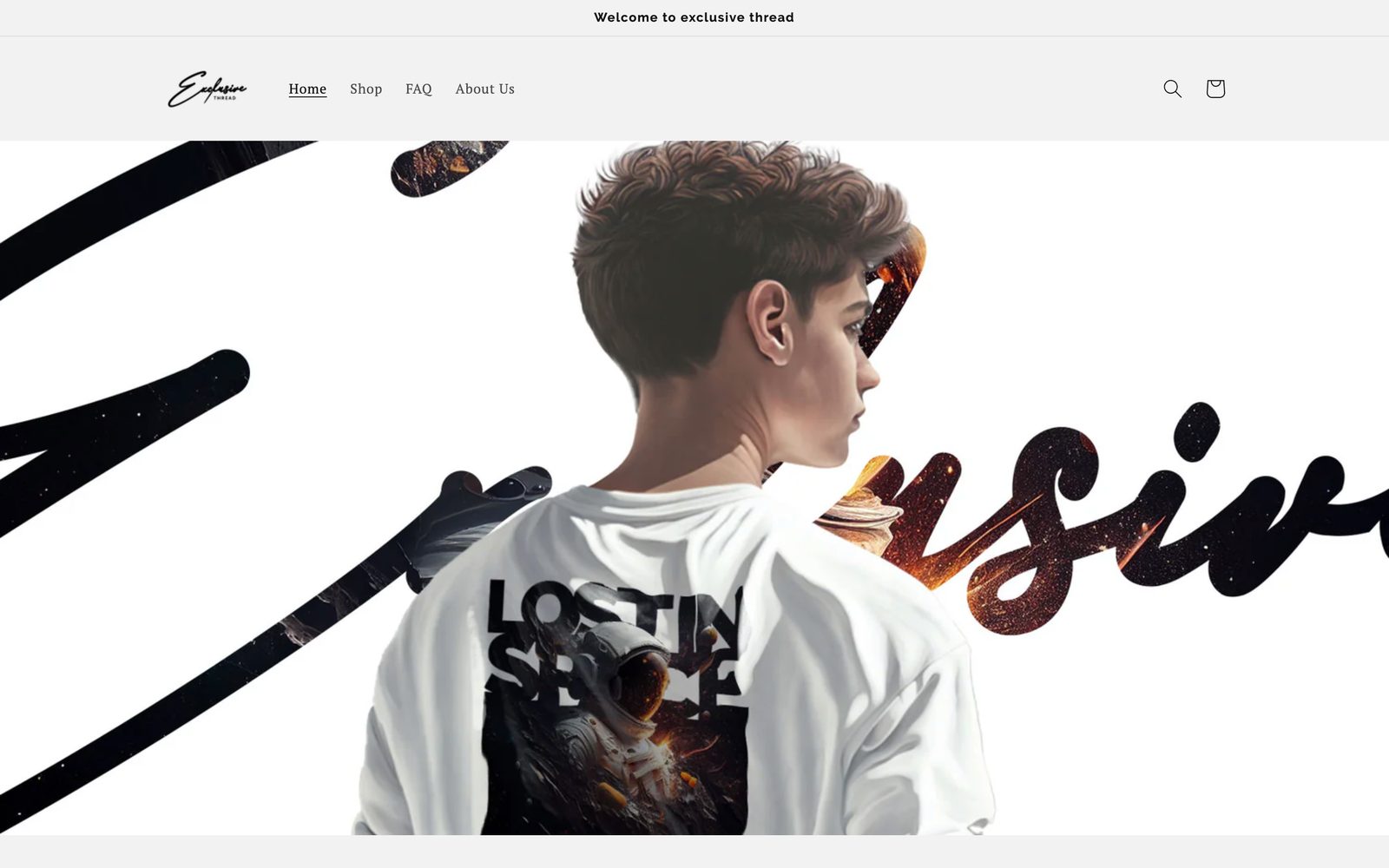
The Exclusive Thread homepage, a dark streetwear storefront with a full width product banner.

Exclusive Thread

Shopify build · Design and front end

A streetwear storefront built on Shopify. I did the design, the theme work and the product templates, and set it up so the owner could add a drop without calling me.

The other sites I have shipped are my own: the Shoptimal marketing site and the Sayforth site, both designed and directed by me. See all of it.

From the design years

2021 to 2022

Writing

All posts
Justin Creasy, smiling, in a dark quarter-zip jacket against a white background.

About

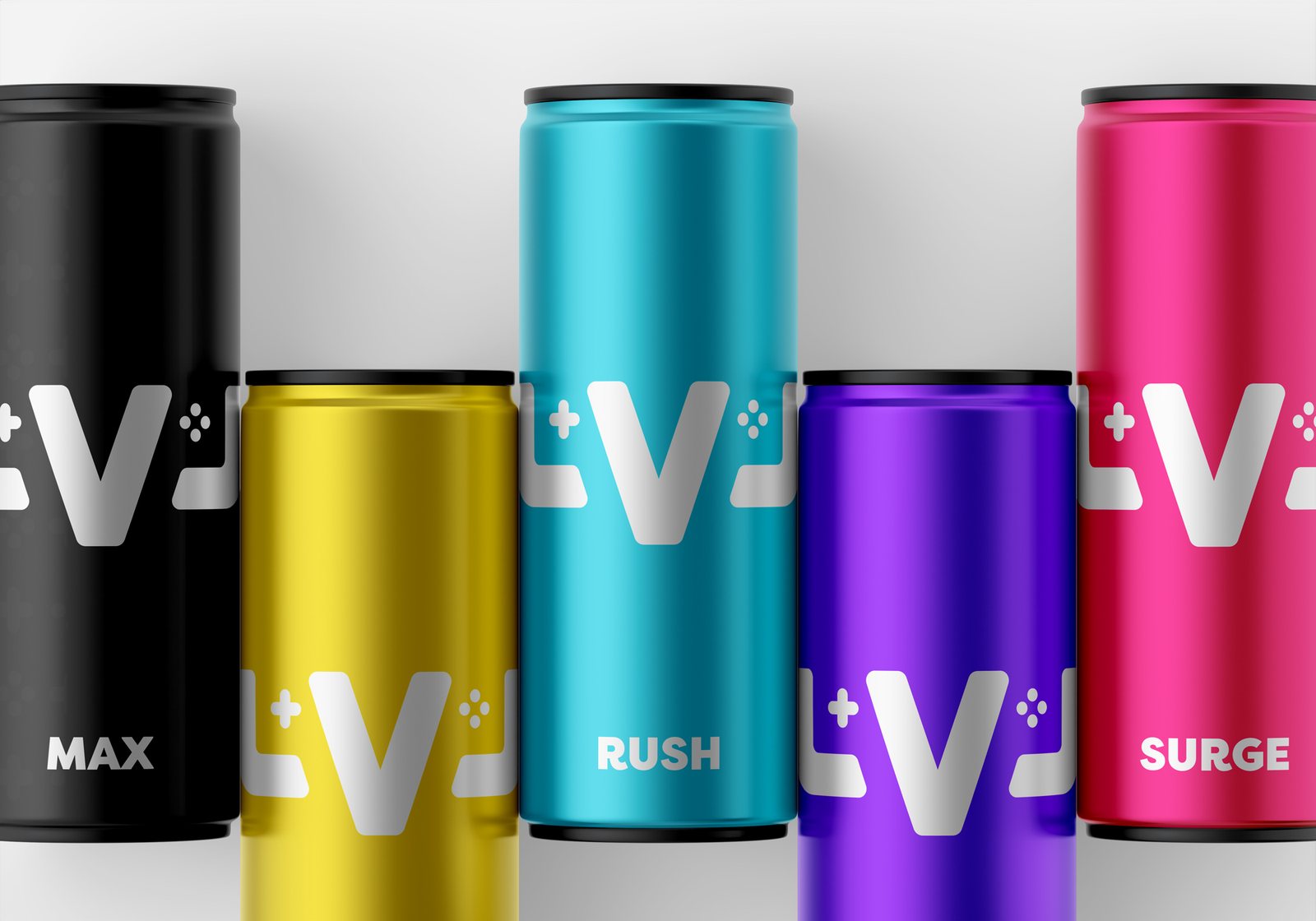
I started as a graphic designer at Stimulus Advertising in Lynchburg, doing packaging, campaign artwork and the occasional website. In 2022 I moved in-house to the web side, and the questions changed from how it looks to how many people saw it, what they did next, and whether we can prove it. Now I manage web experience and lead how my team uses AI, and I build agents and two businesses of my own: Shoptimal and Sayforth.

More about me